
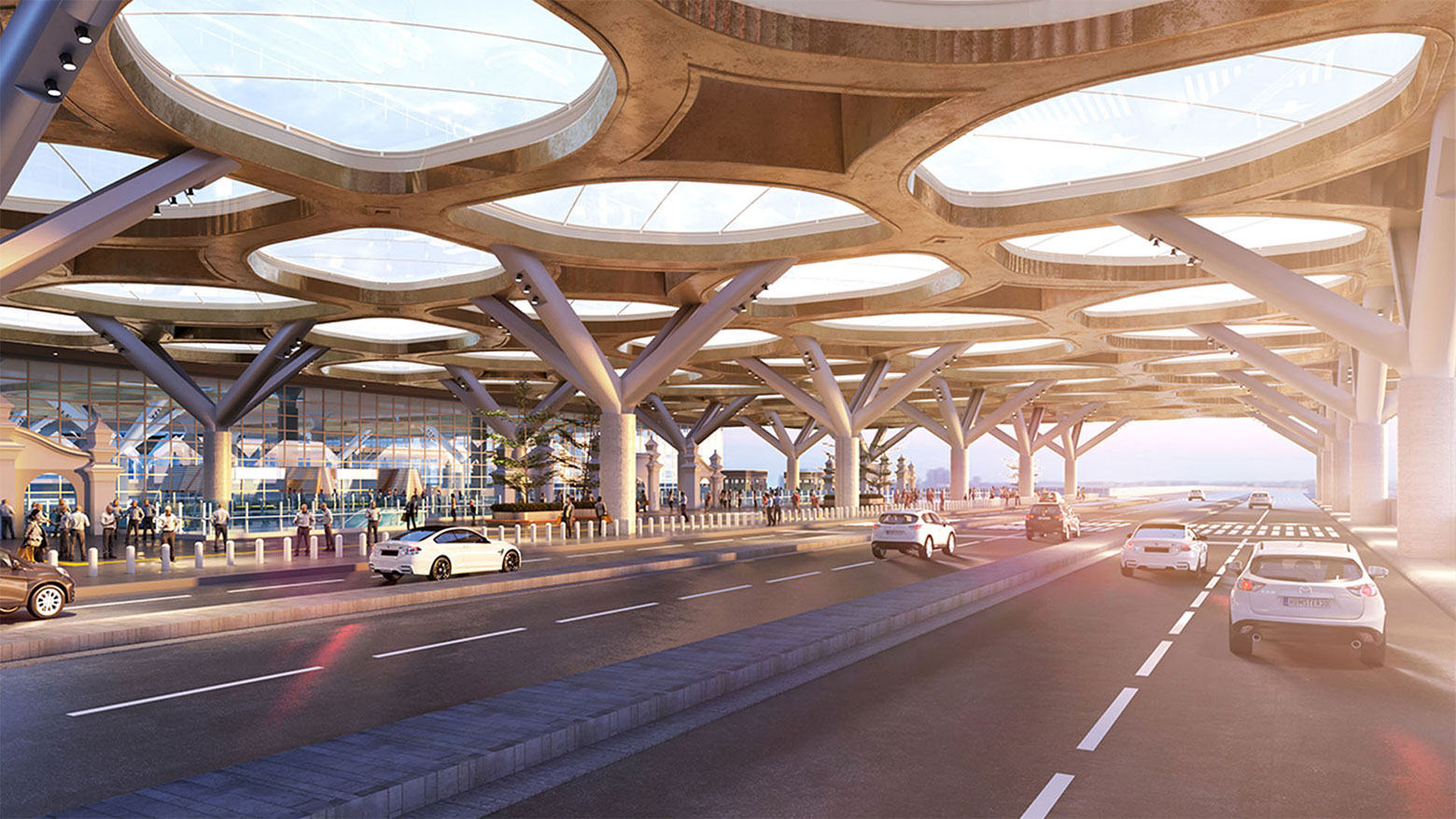
Airport design is more than arranging terminals and gates — it’s about crafting experiences that flow seamlessly between the sky and the ground. From the first step into the departure hall to the final glance backbefore boarding, every spatial gesture becomes part of a larger choreography of movement, identity, and emotion. Through the language of architecture, light, and circulation, we design airports not just as transit points, but as spaces of anticipation, orientation, and collective memory — places where infrastructure meets atmosphere, and travel begins with a sense of place.


AIRPORT DESIGN
Designing Experiences Between Sky and Ground
STADIUM, SPORT, THEATERS & ENTERTAINMENT
A Stage for Emotion and Identity
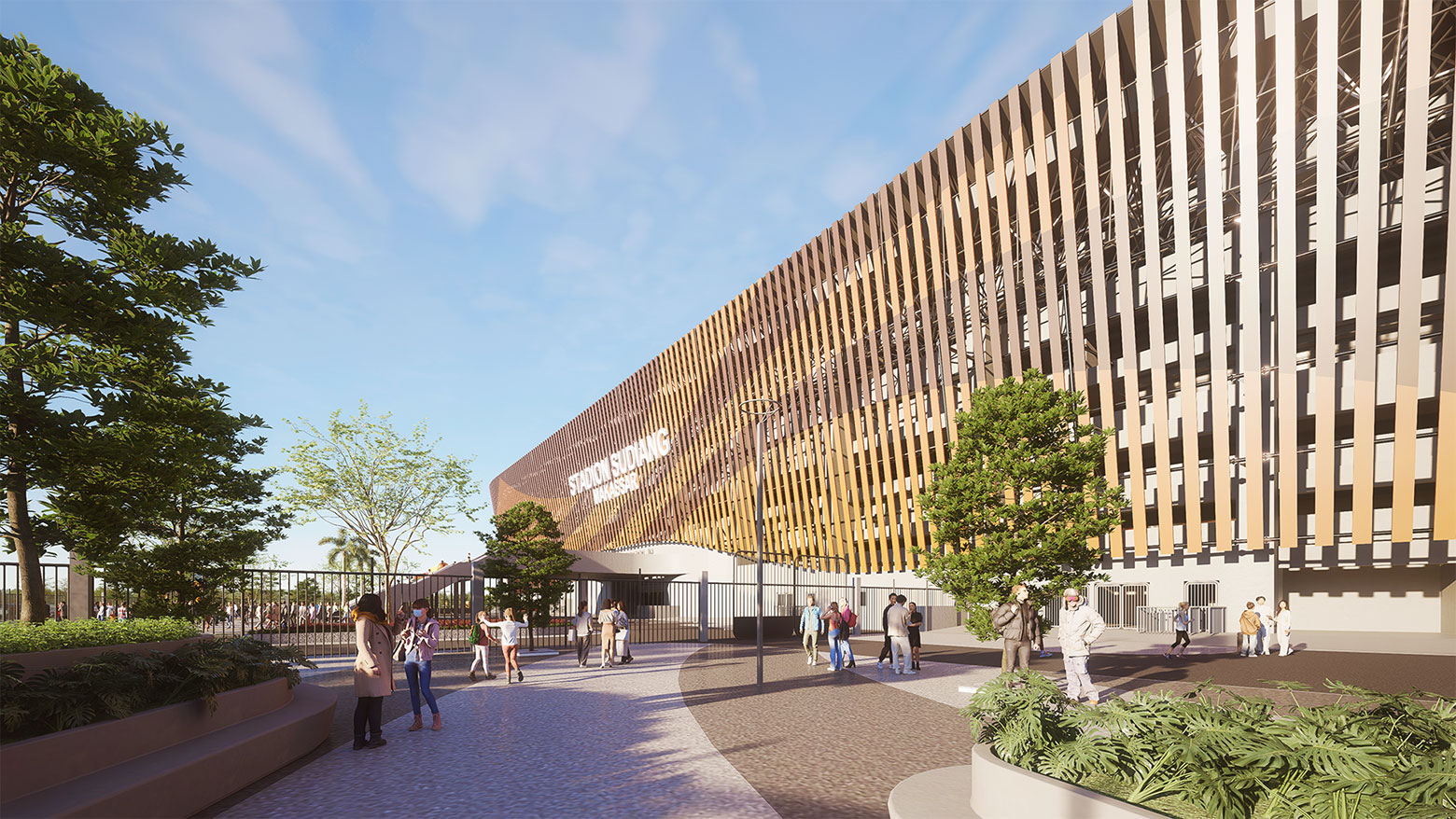
Stadium, sport, and entertainment design is about more than accommodating crowds — it’s about amplifying human energy, creating spaces where emotion and identity collide in powerful ways. These arenas are modern cathedrals of collective experience, where architecture becomes the silent frame to unforgettable moments. Every curve, tier, and circulation path is shaped not only for visibility and performance, but to support rituals of loyalty, belonging, and celebration. We design stadiums as civic landmarks, entertainment venues as immersive worlds, and sport facilities as engines of pride and connection — spaces where structure meets spectacle, and where design channels the passion of thousands into a shared heartbeat.
PUBLIC HOSPITALS
Built for Efficiency, Designed for Empathy
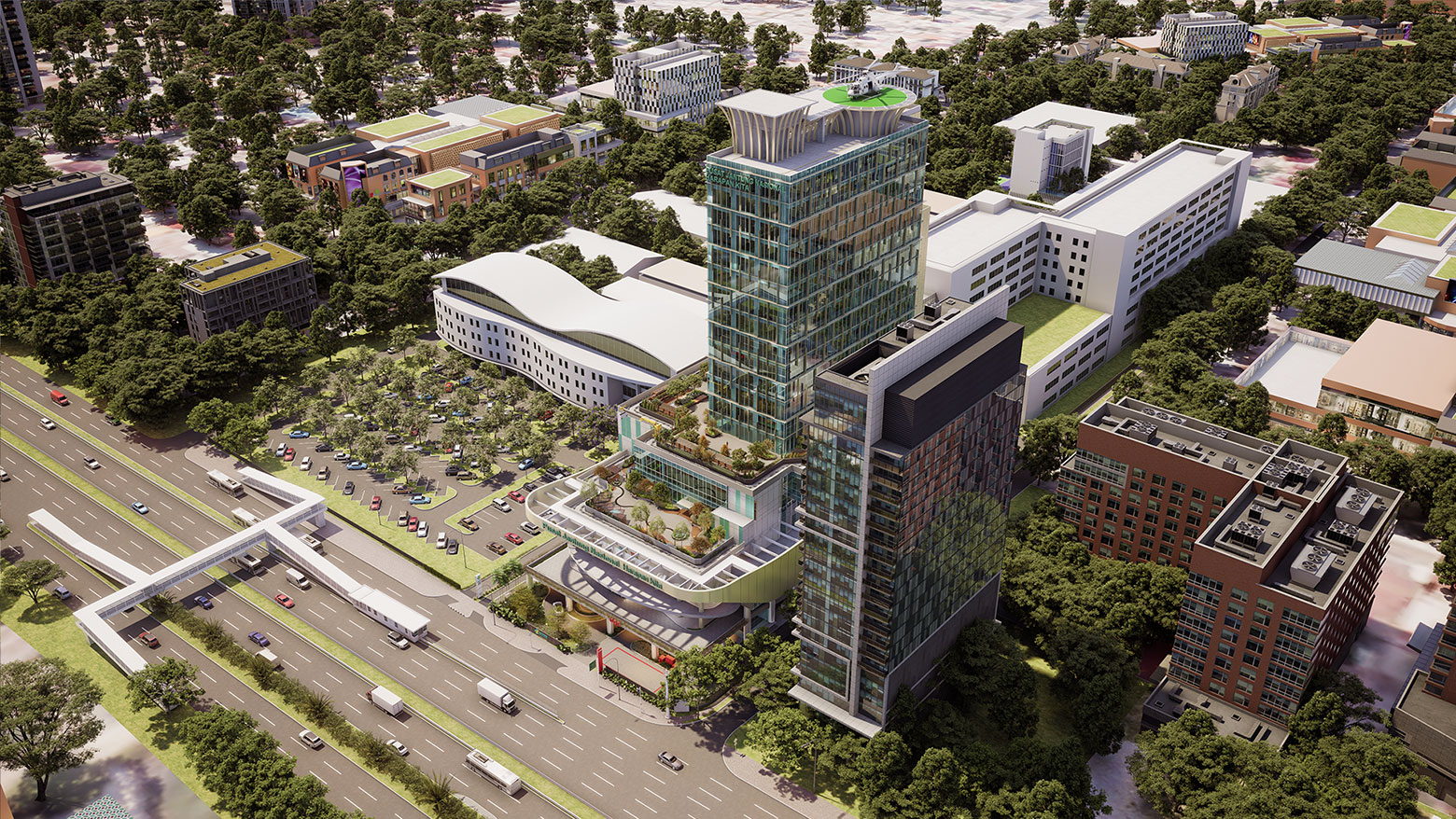
Public hospital design demands a balance between operational precision and deep human sensitivity. It is discipline where architecture must respond not only to clinical workflows and regulatory standards, but also to the emotional journeys of patients, families, and caregivers. In spaces where time is critical and clarity is essential, every layout, material, and light condition must support healing, reduce stress, and enable care to happen with dignity. We design public hospitals as environments that are efficient, adaptable, and future-ready — yet always grounded in empathy. These are spaces where systems serve people, where functionality meets compassion, and where architecture quietly supports the most vital work of all caring for others.
PUBLIC HOUSING, HOTEL & TOURISM
Creating meaningfull spaces for living, resting, and exploring
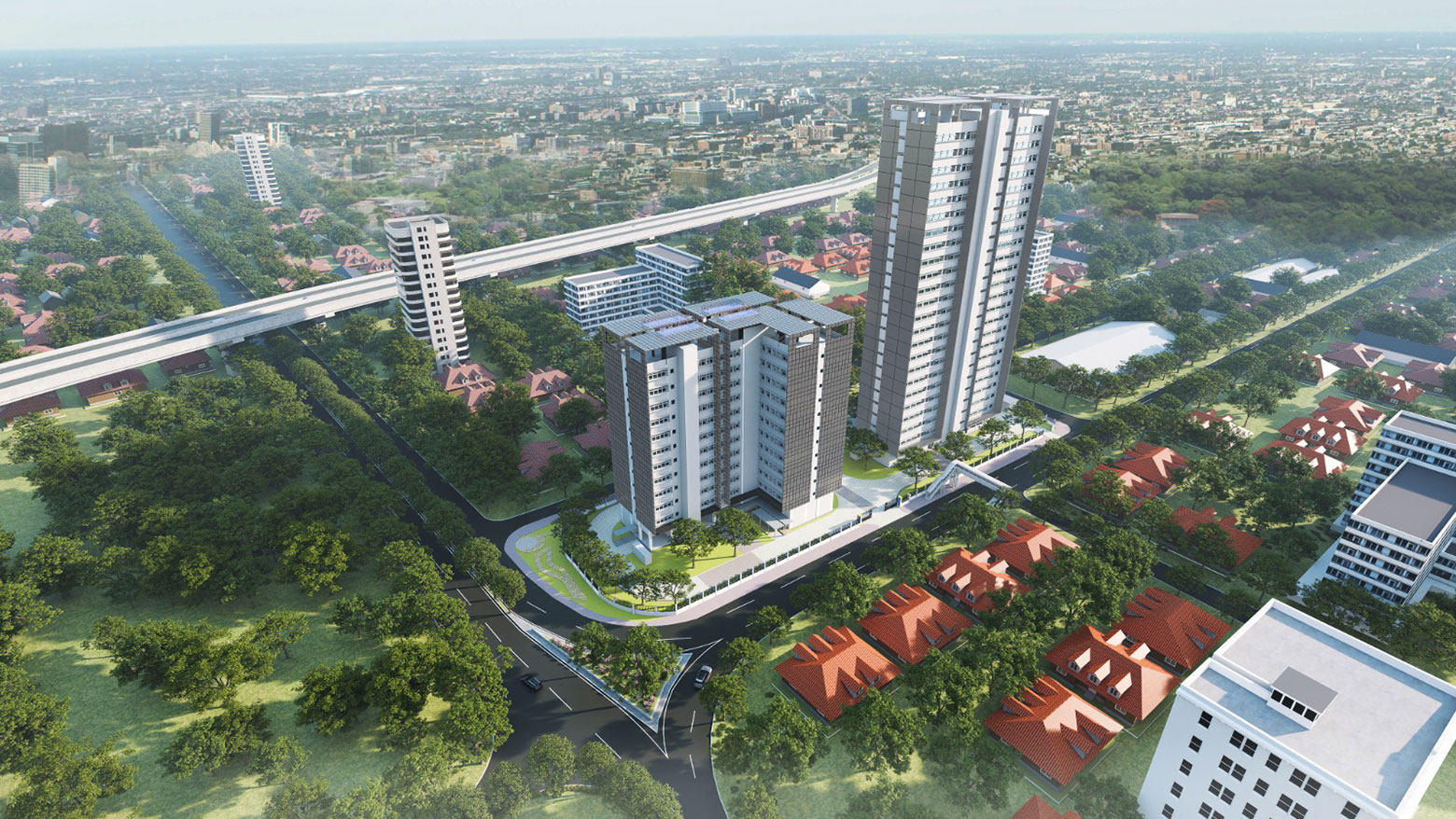
Public housing, hotel, and tourism design require an architectural approach that balances functionality, comfort, identity, and long-term value. Public housing must respond to the everyday needs of communities through efficient planning, accessibility, and dignified living environments. Hotel design should create memorable guest experiences through atmosphere, service flow, and spatial quality. Meanwhile, tourism design needs to strengthen the character of place, connecting architecture with culture, landscape, and local potential. Together, these project types reflect how design can shape not only buildings, but also the way people live, stay, and experience a destination.
GOVERMENT OFFICES
Efficient, Civic, and Enduring Design
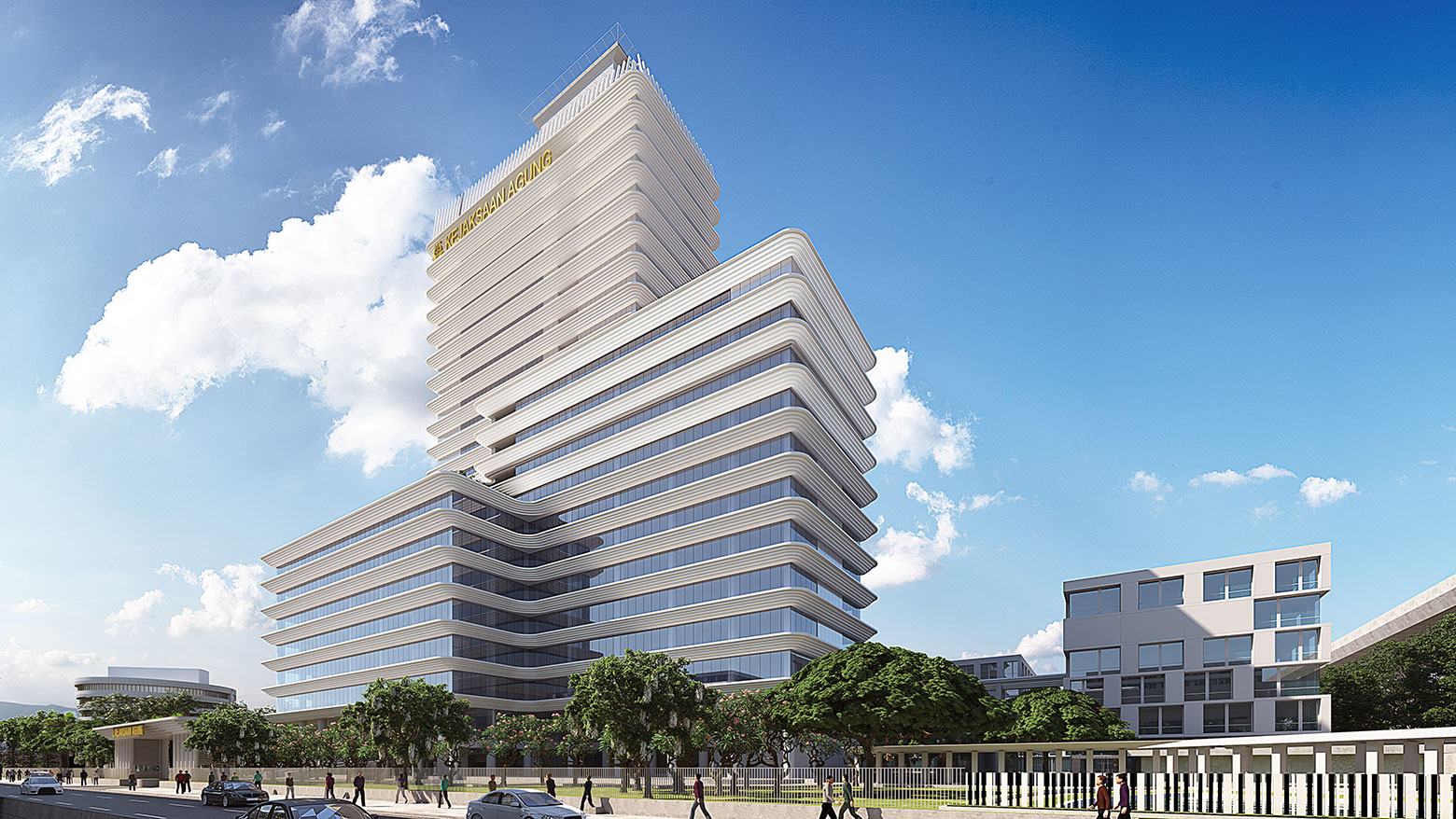
Government offices design demands an architectural approach that reflects efficiency, transparency, authority, and public accessibility. Beyond accommodating administrative functions, these buildings must support clear workflows, secure operations, and comfortable environments for both staff and visitors. Good design also represents institutional identity through order, dignity, and spatial clarity, while responding to local context, sustainability goals, and long-term operational needs. In this way, government office architecture is not only about providing workspace, but also about creating civic environments that strengthen public trust and service quality.
EDUCATIONS
Inspiring Spaces for Learning
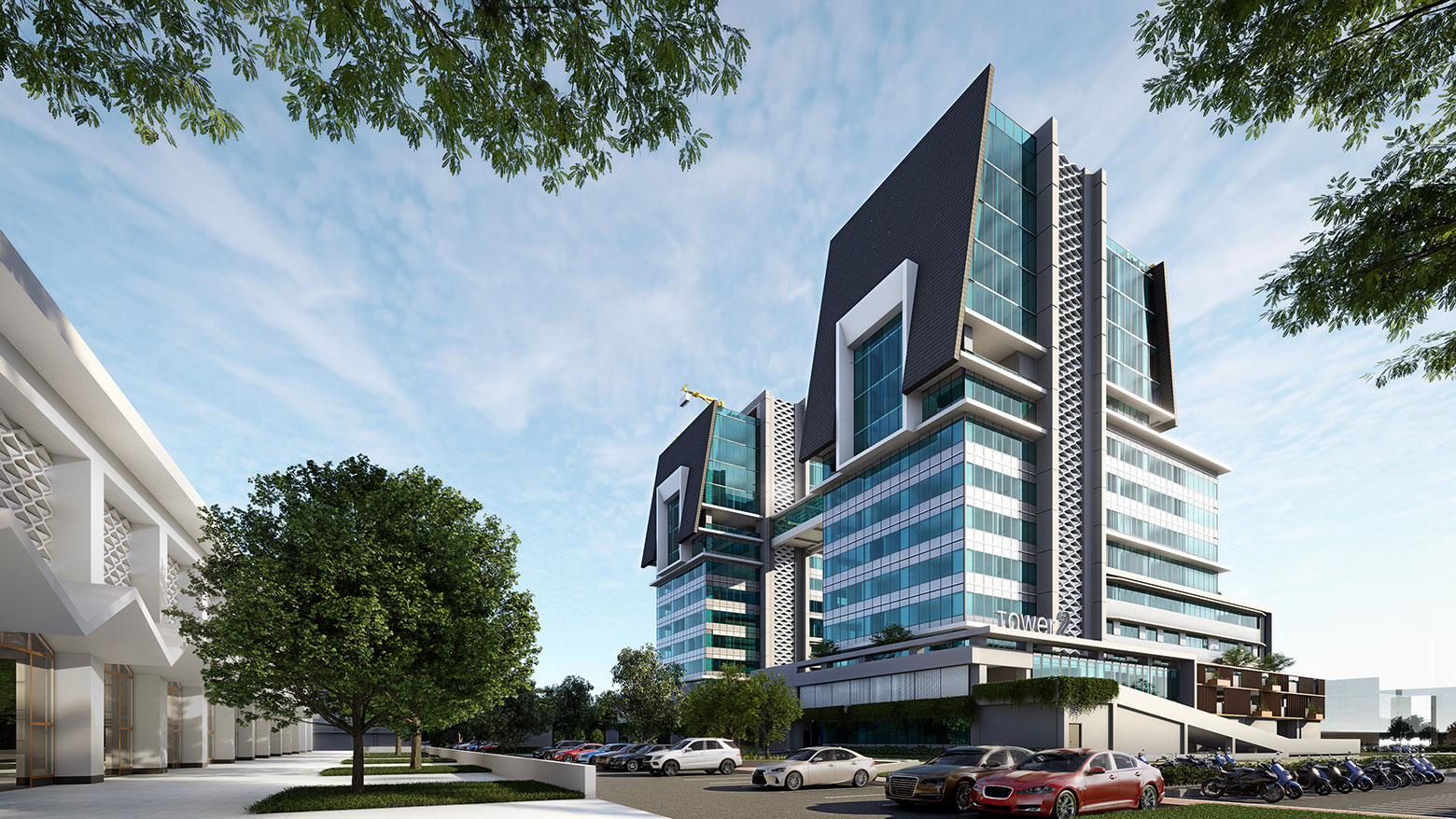
Education design requires architecture that supports learning, interaction, safety, and long-term adaptability. Beyond providing classrooms and facilities, educational environments should encourage curiosity, collaboration, and a strong sense of community. Good design responds to the needs of students, teachers, and institutions through clear organization, comfort, natural light, and spaces that can evolve over time. In this way, education architecture becomes more than a container for instruction, serving instead as an active setting for growth, discovery, and shared experience.
FACTORY, WASTE & MILL
Efficient Design for Industry
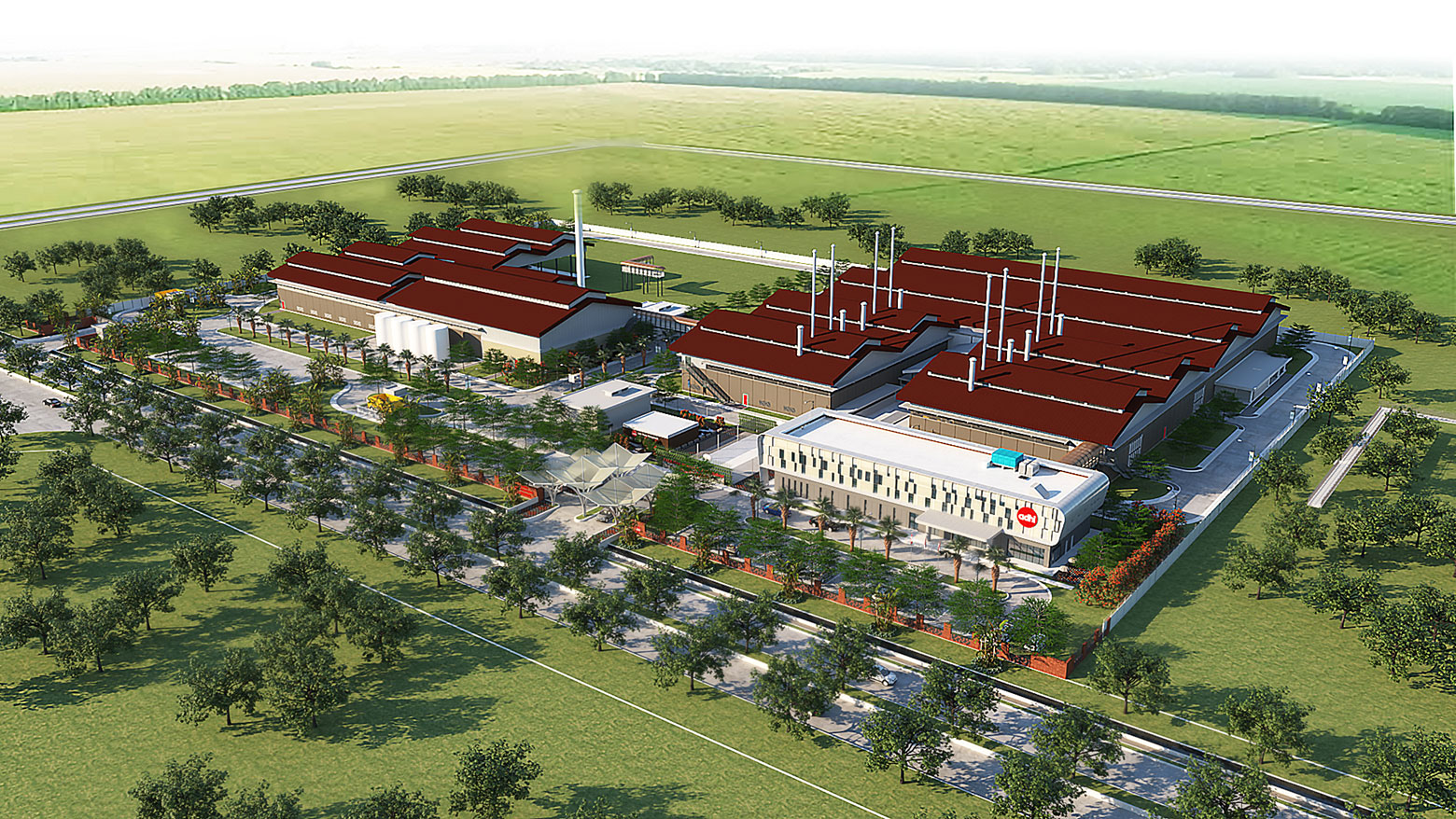
Factory, waste, and mill design require an architectural and technical approach that prioritizes efficiency, safety, durability, and operational clarity. These facilities must support complex workflows, heavy equipment, material movement, and environmental control while maintaining reliable and well-organized spaces for workers and management. Good design also addresses infrastructure, maintenance access, and long-term adaptability, ensuring that industrial buildings can respond to changing production demands and regulatory requirements. In this context, design is not only about enclosing processes, but about creating robust environments that enable productivity, responsibility, and performance.
0
+
Projects
0
+
Experience Years